
Obsidian Plugin Abuse Delivers PHANTOMPULSE RAT in Targeted Finance, Crypto Attacks
A "novel" social engineering campaign has been observed abusing Obsidian, a cross-platform note-taking application, as an initial access vector to distribute a previously undocumented Windows remote access trojan called PHANTOMPULSE in attacks targeting individuals in the financi

Newly Discovered PowMix Botnet Hits Czech Workers Using Randomized C2 Traffic
Cybersecurity researchers have warned of an active malicious campaign that's targeting the workforce in the Czech Republic with a previously undocumented botnet dubbed PowMix since at least December 2025. "PowMix employs randomized command-and-control (C2) beaconing intervals, ra

A laughing RAT: CrystalX combines spyware, stealer, and prankware features
Kaspersky researchers analyze a new CrystalX RAT distributed as MaaS and featuring extensive spyware, stealer, and prankware capabilities.

Financial cyberthreats in 2025 and the outlook for 2026
In this report, Kaspersky experts share their insights into the 2025 financial threat landscape, including regional statistics and trends in phishing, PC malware, and infostealers.

The long road to your crypto: ClipBanker and its marathon infection chain
Threat actors are distributing a Trojan disguised as Proxifier software; through a multi-stage infection chain, it delivers ClipBanker – malware that replaces cryptocurrency wallet addresses in the clipboard.

JanelaRAT: a financial threat targeting users in Latin America
Kaspersky GReAT experts describe the latest JanelaRAT campaign detailing infection chain and malware functionality updates.

Threat landscape for industrial automation systems in Q4 2025
The report contains industrial threat statistics for Q4 2025. It covers various infection vectors and malware types, as well as regional statistics and statistics by industry.

Weaponizing the Protectors: TeamPCP’s Multi-Stage Supply Chain Attack on Security Infrastructure
TeamPCP continues its string of supply chain attacks, and announces a partnership with Vect ransomware group. The post Weaponizing the Protectors: TeamPCP’s Multi-Stage Supply Chain Attack on Security Infrastructure appeared first on Unit 42.
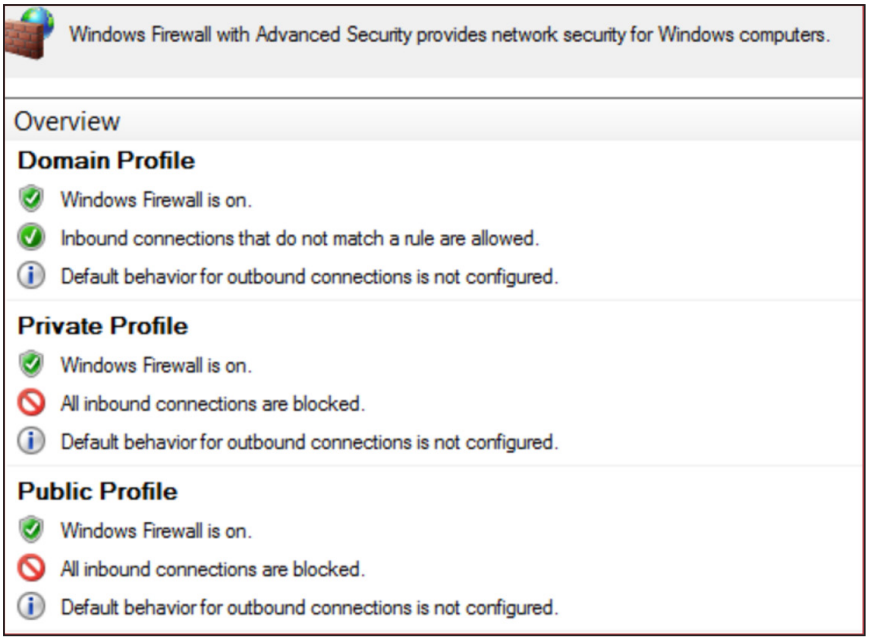
Proactive Preparation and Hardening Against Destructive Attacks: 2026 Edition
Written by: Matthew McWhirt, Bhavesh Dhake, Emilio Oropeza, Gautam Krishnan, Stuart Carrera, Greg Blaum, Michael Rudden UPDATE (March 13): Added guidance around abuse or misuse of endpoint / MDM platforms. Background Threat actors leverage destructive malware to destroy data, el

Ransomware Under Pressure: Tactics, Techniques, and Procedures in a Shifting Threat Landscape
Written by: Bavi Sadayappan, Zach Riddle, Ioana Teaca, Kimberly Goody, Genevieve Stark Introduction Since 2018, when many financially motivated threat actors began shifting their monetization strategy to post-compromise ransomware deployments, ransomware has become one of the m

Feds Disrupt IoT Botnets Behind Huge DDoS Attacks
The U.S. Justice Department joined authorities in Canada and Germany in dismantling the online infrastructure behind four highly disruptive botnets that compromised more than three million hacked Internet of Things (IoT) devices, such as routers and web cameras. The feds say the

‘CanisterWorm’ Springs Wiper Attack Targeting Iran
A financially motivated data theft and extortion group is attempting to inject itself into the Iran war, unleashing a worm that spreads through poorly secured cloud services and wipes data on infected systems that use Iran's time zone or have Farsi set as the default language.