Threat Actor Generates 1M Personalized Fraud Emails in 3 Days
Cybercriminals behind malicious email campaigns no longer have to compromise volume for credibility, or vice versa, thanks to AI.

Anthropic CEO: Time to Shift From Improving to Controlling AI
Dario Amodei says it's time to slow the pace of frontier AI improvements so that security and risk prevention efforts can catch up. What does this mean for enterprises?

Maximum Severity GitLab Flaw Puts Supply Chains at Risk
CVE-2026-85706 is a path traversal vulnerability with a 10 out of 10 CVSS score, affecting both GitLab Community Edition and Enterprise Edition instances.

'Sandworm' Chains Cisco Vulnerabilities to Deploy Cyclops Blink
The notorious Russian threat group is spreading an upgraded version of the botnet malware, which the FBI disrupted in 2022.

VectraRAT Can Hack Windows Enterprises for $250 per Month
The full-service malware-as-a-service (MaaS) platform offers a Windows implant, command-and-control (C2) infrastructure, and an operator panel for comprehensive remote access.
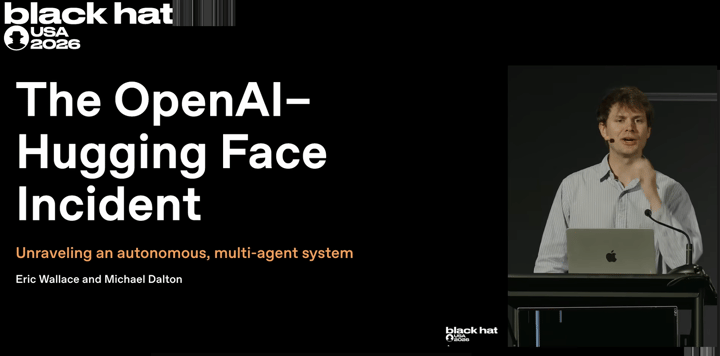
Black Hat USA 2026 | OpenAI's Deep Dive Into Hugging Face Incident
At Black Hat USA, OpenAI engineers reconstruct the Hugging Face incident and explore lessons learned about AI safeguards and cyber resilience.

Microsoft Issues Emergency Fixes After Massive Patch Tuesday
You can't make an omelet without breaking a few eggs, and you can't patch nearly 1,000 CVEs without a few glitches.

Cyber Op Targets South Korean Media & Automotive Sectors
A likely North Korean advanced persistent threat (APT) group used a previously undocumented Linux espionage toolkit to compromise load balancers, gain access to communications, and further exploit networks.
_Pattara_Alamy.jpg?width=720&quality=80&disable=upscale)
BragJack Attack Can Turn a Browser's Agentic AI Against It
A new type of attack hijacks the AI assistant built directly into various browsers to access sensitive information, execute malicious actions, and exfiltrate data.

Fighting Your Dragons Through Tough Tech Times
Cybersecurity industry veteran Hal Pomeranz gives a pep talk on career anxiety and self-doubt and shares how to build meaningful connections during historical tech industry downturns.

AI Security Spending Jumps as Fear Outpaces Proof of Value
CISOs are not waiting for AI to prove its cybersecurity value before investing in the technology. Is it the right move?