
VoidLink Linux Malware Framework Built with AI Assistance Reaches 88,000 Lines of Code
The recently discovered sophisticated Linux malware framework known as VoidLink is assessed to have been developed by a single person with assistance from an artificial intelligence (AI) model. That's according to new findings from Check Point Research, which identified operation

Chainlit AI Framework Flaws Enable Data Theft via File Read and SSRF Bugs
Security vulnerabilities were uncovered in the popular open-source artificial intelligence (AI) framework Chainlit that could allow attackers to steal sensitive data, which may allow for lateral movement within a susceptible organization. Zafran Security said the high-severity fl

Exposure Assessment Platforms Signal a Shift in Focus
Gartner® doesn’t create new categories lightly. Generally speaking, a new acronym only emerges when the industry's collective "to-do list" has become mathematically impossible to complete. And so it seems that the introduction of the Exposure Assessment Platforms (EAP) category i

Webinar: How Smart MSSPs Using AI to Boost Margins with Half the Staff
Every managed security provider is chasing the same problem in 2026 — too many alerts, too few analysts, and clients demanding “CISO-level protection” at SMB budgets. The truth? Most MSSPs are running harder, not smarter. And it’s breaking their margins. That’s where the quiet re

DNS OverDoS: Are Private Endpoints Too Private?
We've identified an aspect of Azure’s Private Endpoint architecture that could expose Azure resources to denial of service (DoS) attacks. The post DNS OverDoS: Are Private Endpoints Too Private? appeared first on Unit 42.

ViewState Deserialization Zero-Day Vulnerability in Sitecore Products (CVE-2025-53690)
Written by: Rommel Joven, Josh Fleischer, Joseph Sciuto, Andi Slok, Choon Kiat Ng Update (September 3): This post was updated to include information about GoTokenTheft usage. In a recent investigation, Mandiant Threat Defense discovered an active ViewState deserialization attack
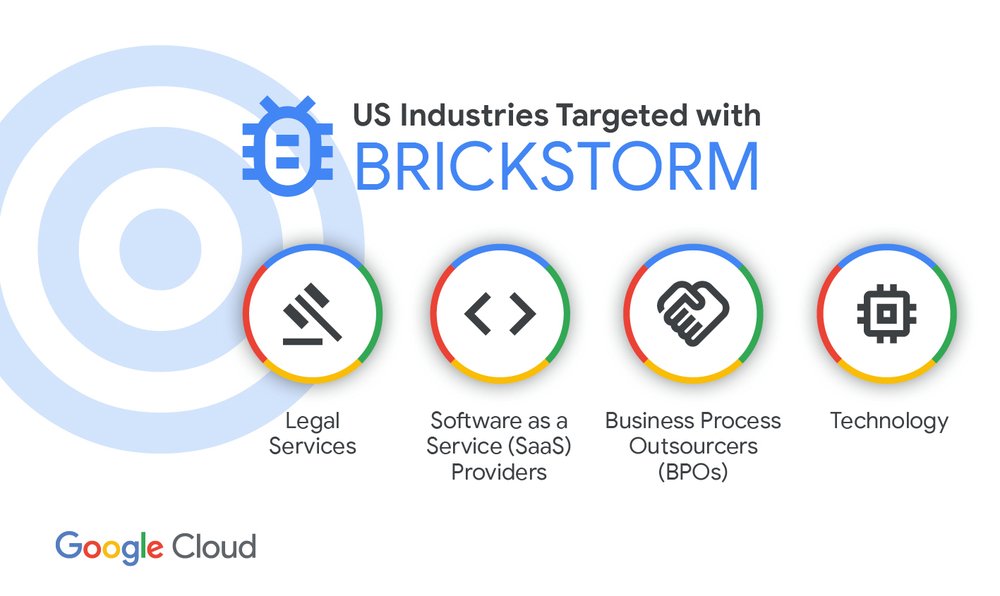
Another BRICKSTORM: Stealthy Backdoor Enabling Espionage into Tech and Legal Sectors
Written by: Sarah Yoder, John Wolfram, Ashley Pearson, Doug Bienstock, Josh Madeley, Josh Murchie, Brad Slaybaugh, Matt Lin, Geoff Carstairs, Austin Larsen Introduction Google Threat Intelligence Group (GTIG) is tracking BRICKSTORM malware activity, which is being used to mainta

Cybercrime Observations from the Frontlines: UNC6040 Proactive Hardening Recommendations
Written by: Omar ElAhdan, Matthew McWhirt, Michael Rudden, Aswad Robinson, Bhavesh Dhake, Laith Al, Ravi Kumar Raja Update (Nov. 21): In response to the Salesforce advisory related to Gainsight applications, this blog post has been updated to include comprehensive hardening, log

Oracle E-Business Suite Zero-Day Exploited in Widespread Extortion Campaign
Written by: Peter Ukhanov, Genevieve Stark, Zander Work, Ashley Pearson, Josh Murchie, Austin Larsen Update (Oct. 11): On Oct. 11, Oracle released another patch, addressing CVE-2025-61884. Introduction Beginning Sept. 29, 2025, Google Threat Intelligence Group (GTIG) and Mandian

New Group on the Block: UNC5142 Leverages EtherHiding to Distribute Malware
Written by: Mark Magee, Jose Hernandez, Bavi Sadayappan, Jessa Valdez Since late 2023, Mandiant Threat Defense and Google Threat Intelligence Group (GTIG) have tracked UNC5142, a financially motivated threat actor that abuses the blockchain to facilitate the distribution of info

DPRK Adopts EtherHiding: Nation-State Malware Hiding on Blockchains
Written by: Blas Kojusner, Robert Wallace, Joseph Dobson Google Threat Intelligence Group (GTIG) has observed the North Korea (DPRK) threat actor UNC5342 using ‘EtherHiding’ to deliver malware and facilitate cryptocurrency theft, the first time GTIG has observed a nation-state a

To Be (A Robot) or Not to Be: New Malware Attributed to Russia State-Sponsored COLDRIVER
Written by: Wesley Shields Introduction COLDRIVER, a Russian state-sponsored threat group known for targeting high profile individuals in NGOs, policy advisors and dissidents, swiftly shifted operations after the May 2025 public disclosure of its LOSTKEYS malware, operationaliz