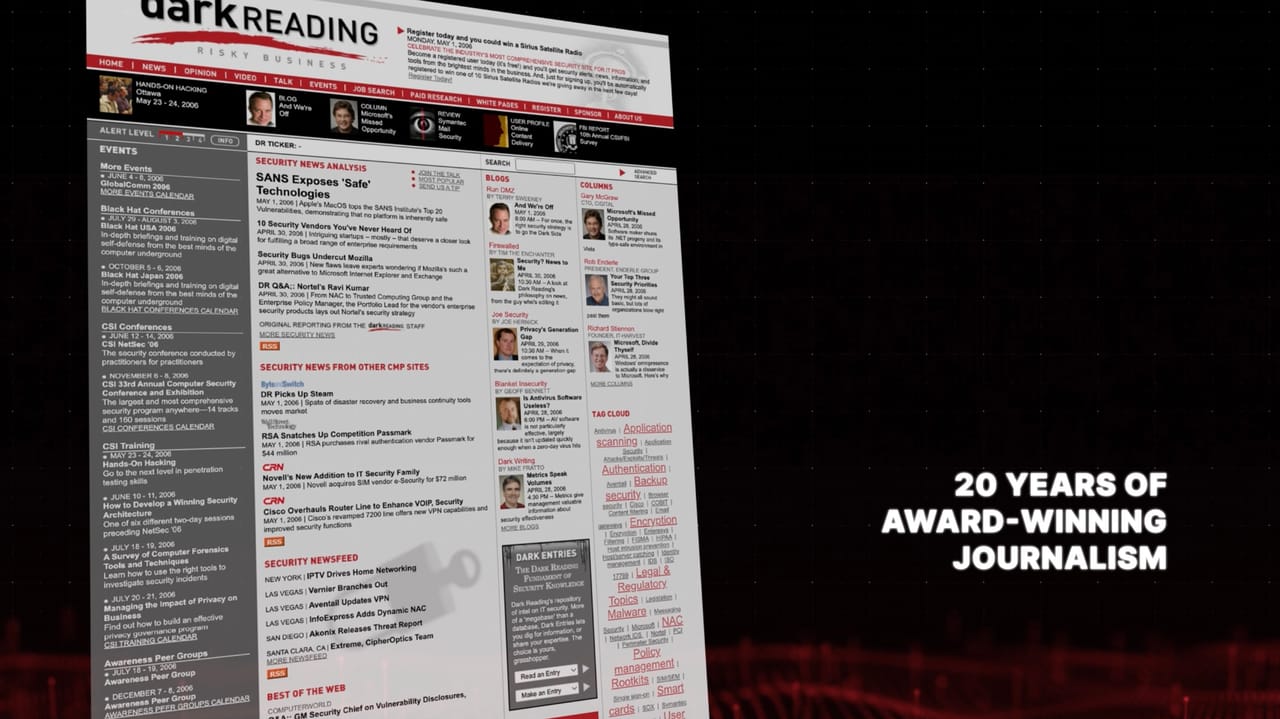
20 Years in Cyber: Dark Reading Marks Milestone With Month of Special Coverage
On this day in 2006, Dark Reading went live. We have a celebration planned that spans our two decades of covering the industry, and you, dear readers, are invited.
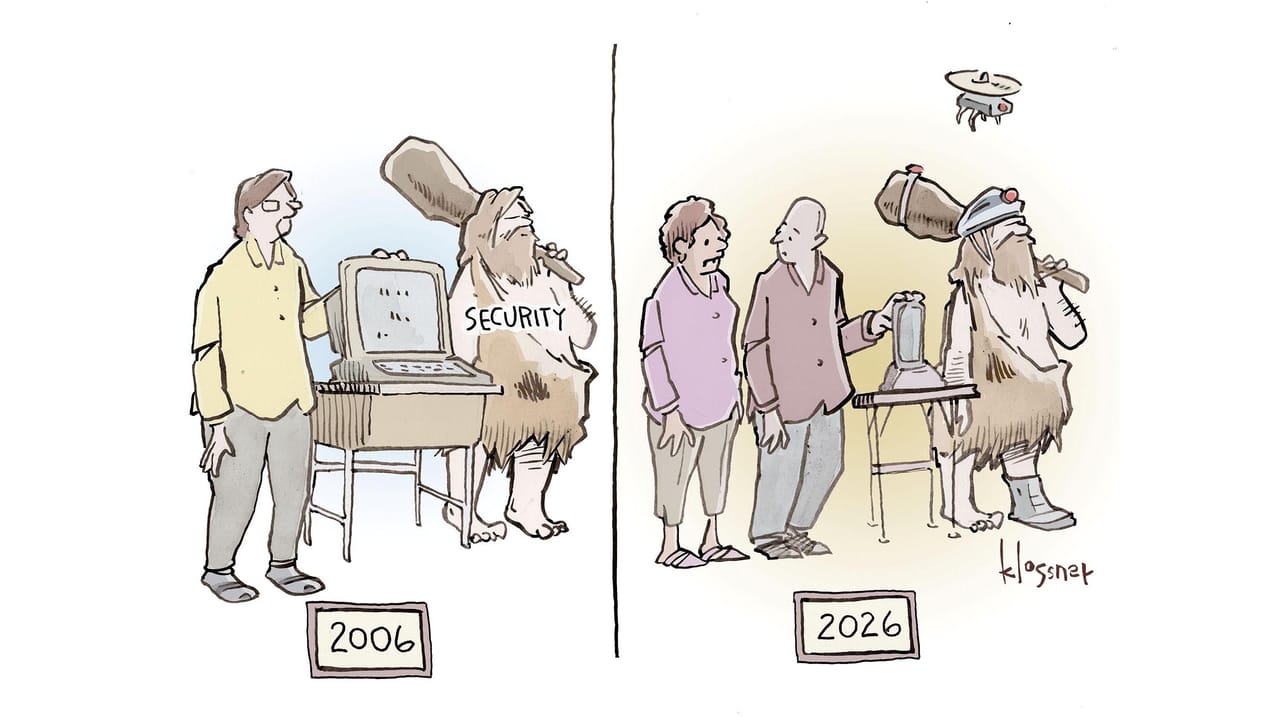
Name That Toon: Mark of (Security) Progress
Feeling creative? Have something to say about the last 20 years of cybersecurity? Our editors will award the best cybersecurity-related caption with a $20 gift card.

If AI's So Smart, Why Does It Keep Deleting Production Databases?
The issue isn't artificial intelligence, but rather an industry adding AI agent integrations into production environments before proper security testing.

76% of All Crypto Stolen in 2026 Is Now in North Korea
North Korean threat actors are pulling off historic cryptocurrency heists on a yearly, sometimes weekly basis now. AI might be helping them.

How Dark Reading Lifted Off the Launchpad in 2006
Twenty years ago, this media brand didn't have a print edition to attract eyeballs and sponsors. Top-notch content and editorial talent did the heavy lifting.

Silver Fox Springs Tax-Themed Attacks on Orgs in India, Russia
More than 1,600 socially engineered messages from the China-backed advanced persistent threat (APT) group target various sectors to deliver the previously undocumented ABCDoor backdoor, ValleyRAT, and other malware.

Exploit Cyber-Frenzy Threatens Millions via Critical cPanel Vulnerability
Shortly after the authentication-bypass flaw was disclosed multiple proof-of-concept exploits appeared, and one researcher claims there's been zero-day activity for at least a month.

RMM Tools Fuel Stealthy Phishing Campaign
Attackers are abusing two remote monitoring and management (RMM) tools to evade detection in a campaign that has impacted over 80 organizations so far.

Physical Cargo Theft Gets a Boost From Cybercriminals
Cargo theft is no longer about small groups of criminals operating on the ground, but transnational cybercriminal syndicates using access to supply chain systems to reroute goods.
How the Story of a USB Penetration Test Went Viral
Two decades ago, pen tester Steve Stasiukonis caused a sensation by sprinkling rigged thumb drives around a credit union parking lot and following what curious employees did next. This episode looks back at the history-making event.
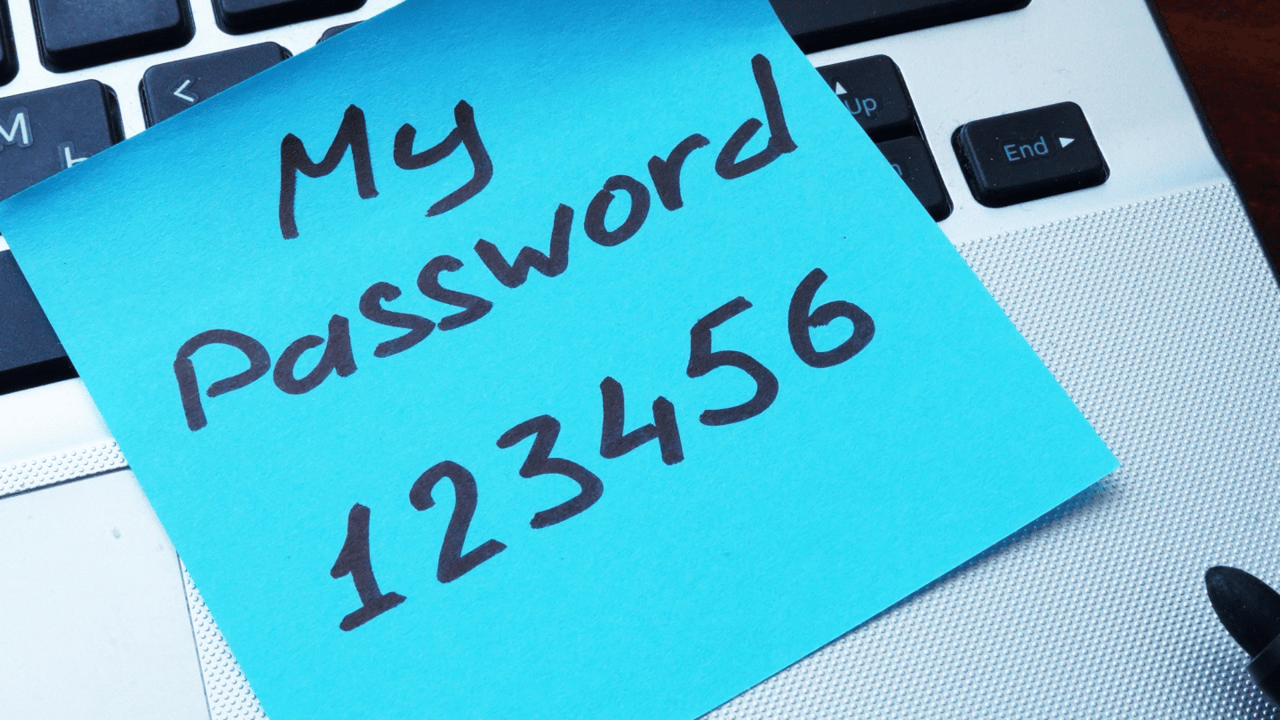
Microsoft Edge Stores Passwords in Process Memory, Posing Enterprise Risk
A proof-of-concept exploit (PoC) shows how someone with admin privileges can exploit the issue to steal passwords, and thus use them to engage in further malicious activity.

Why Security Leadership Makes or Breaks a Pen Test
Well-run security drills go beyond checking audit boxes to identifying and addressing trouble spots. Effective leaders ensure proper scope, access, and follow-through, but it's not easy.